By Arindam Samaddar1, Virender Kumar1, Rajarshi Roy Burman2, Ram Kanwar Malik1, Madhulika Singh3, Andrew James McDonald4
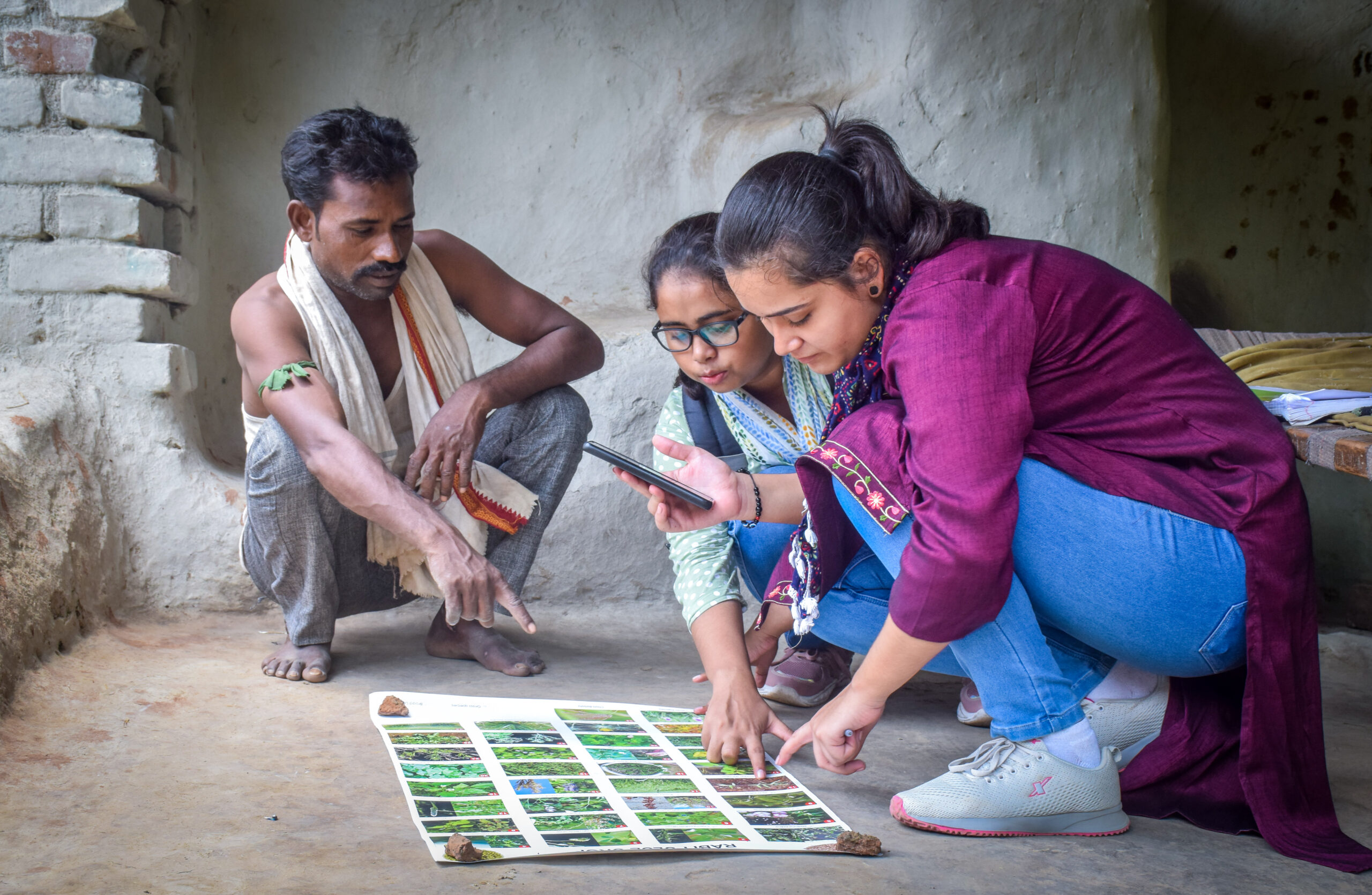
Imagine a living map of a nation’s agricultural heartbeat, capturing the choices and challenges of millions of farmers in near real-time, with this intelligence informing every policy decision. This isn’t science fiction. In India, this vision is becoming a reality by connecting two of the country’s greatest assets: its vast network of over 70 agricultural universities and the on-the-ground presence of its extension system. This is a blueprint to transform academic fieldwork into a dynamic national engine for agricultural intelligence.
To grasp this, one must first understand the paradox it solves. India has one of the world’s most extensive agricultural extension networks, the Krishi Vigyan Kendras (KVKs), with over 730 centers designed to link research to farmers. Yet, despite this network, a gap remains. As a senior leader from the Indian Council of Agricultural Research (ICAR) shared, “So much of secondary data is generated. But somehow, that does not give you the ground reality.” India needed a modern tool that could capture current, granular, georeferenced insights, something traditional systems struggled to provide.
A modern compass for the cropland: The LCAS
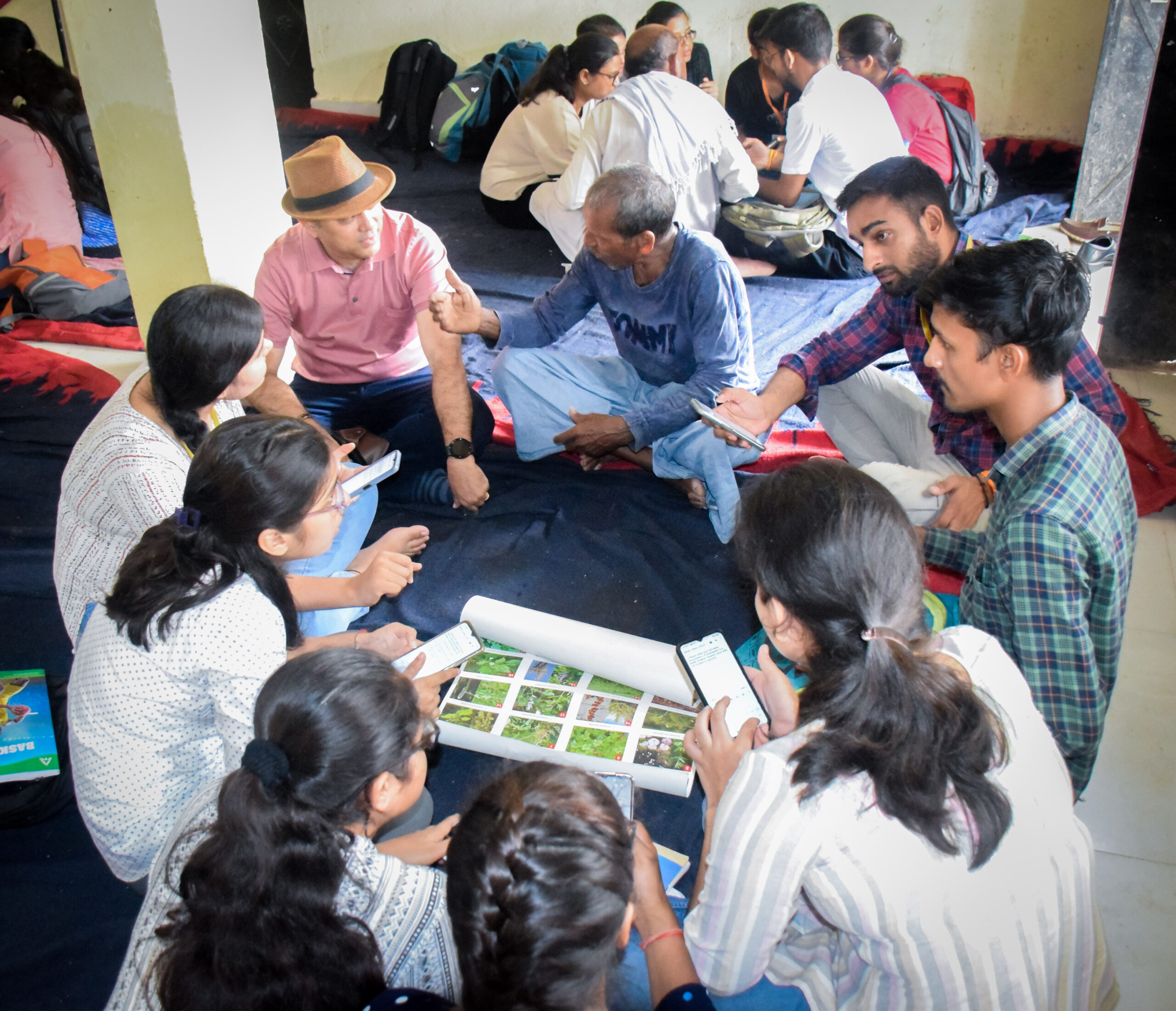
The first piece of the puzzle was the Landscape Crop Assessment Survey (LCAS), a tool developed by the Cereal Systems Initiative for South Asia (CSISA) and ICAR. LCAS is a robust field-based methodology that can generate timely, spatially detailed, and representative agricultural data at district and state levels. It was engineered to overcome past limitations:
- Digital and rapid: Uses Open Data Kit (ODK) on mobile devices for real-time data capture, eliminating errors
- Georeferenced and granular: Every data point is GPS (Global Positioning System) tagged, unlocking powerful spatial analysis of how practices change from one village to the next
- Weaving a complete story: Captures a multi-dimensional picture of crop management, socio-economics, gender dynamics, and market access
- Representative and scalable: Uses district-focused sampling to ensure findings reflect real variations across regions
With ICAR’s Agricultural Extension Division, ATARIs, State Agricultural Universities, and IASRI, CSISA implemented LCAS across more than 35,000 households in 10 states, making it one of the largest agronomic datasets generated in India through direct farmer interaction.
The impact was immediate. In Bihar, LCAS data showed that wheat yields improved significantly when sown earlier—a finding that prompted the state government to revise its official wheat advisory and recommend completing sowing by 15 November. LCAS also revealed that over half of South Asia’s rice farmers apply excessive nitrogen fertilizer, even though the region could safely save about 18 kg/ha without yield loss. Findings published in Nature Communications and Nature Sustainability further demonstrated how improved nitrogen management and agronomic practices could significantly boost nitrogen-use efficiency and productivity while reducing environmental harm.
Powering the compass to scale the initiative nationwide
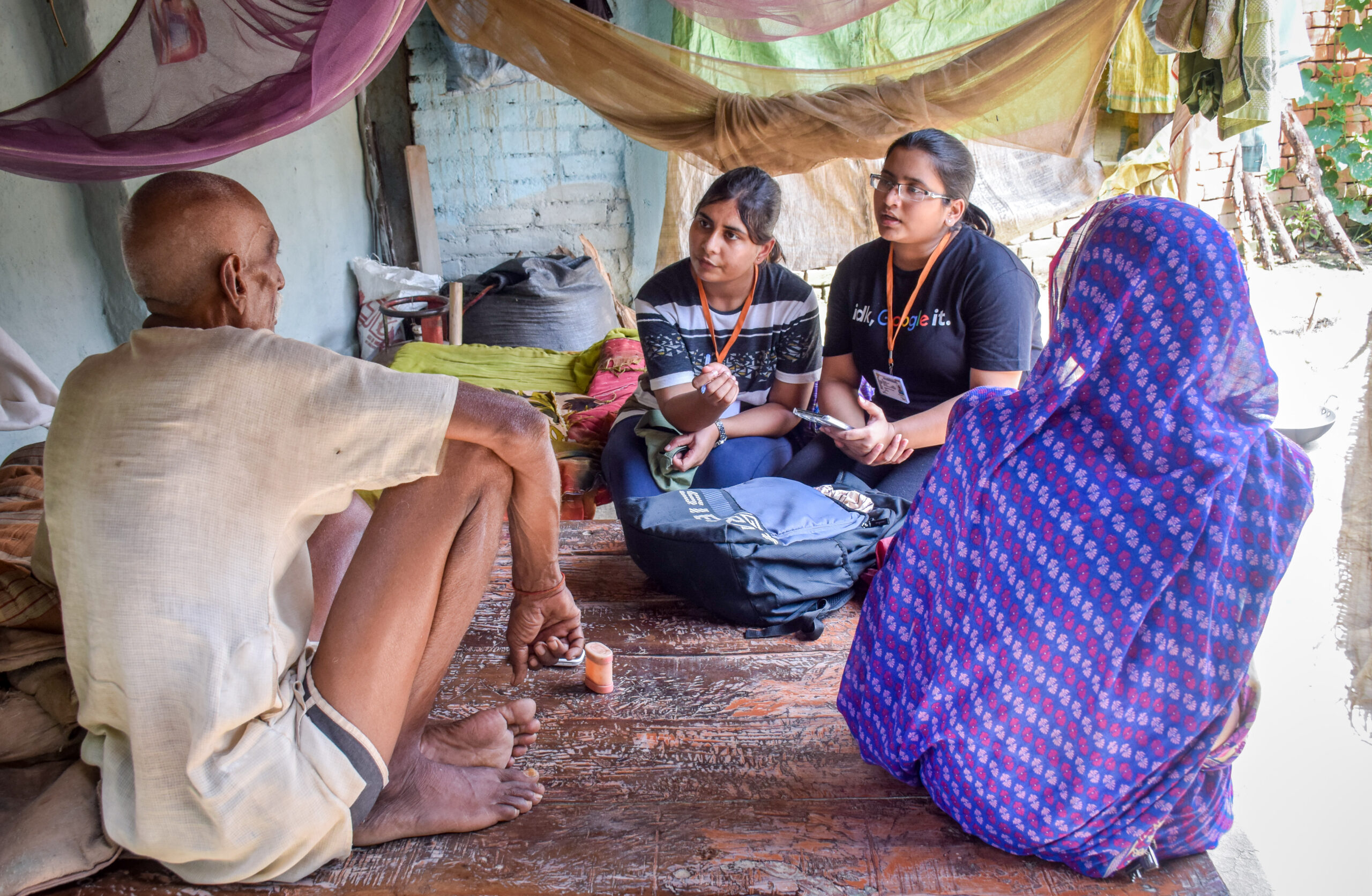
While LCAS provided the methodological backbone, scaling such an effort across India’s diverse agricultural landscape required a sustainable, cost-effective, and high-quality data workforce. This is where CSISA introduced a breakthrough idea: powering LCAS through India’s Rural Agricultural Work Experience (RAWE) program.
Each year, thousands of final-year B.Sc. Agriculture students undertake RAWE, spending several weeks in rural areas to learn directly from farming communities. CSISA recognized this vast, renewable pool of motivated youth as a national asset—capable not only of conducting high-quality surveys but also of becoming India’s future leaders in digital and data-driven agriculture.
The approach serves two purposes: A scalable workforce for high-quality, recurring field data collection; and a transformative learning experience for students, equipping them with digital, analytical, and field research skills essential for an AI-powered agricultural future
Proof of concept: A transformative pilot in Haryana
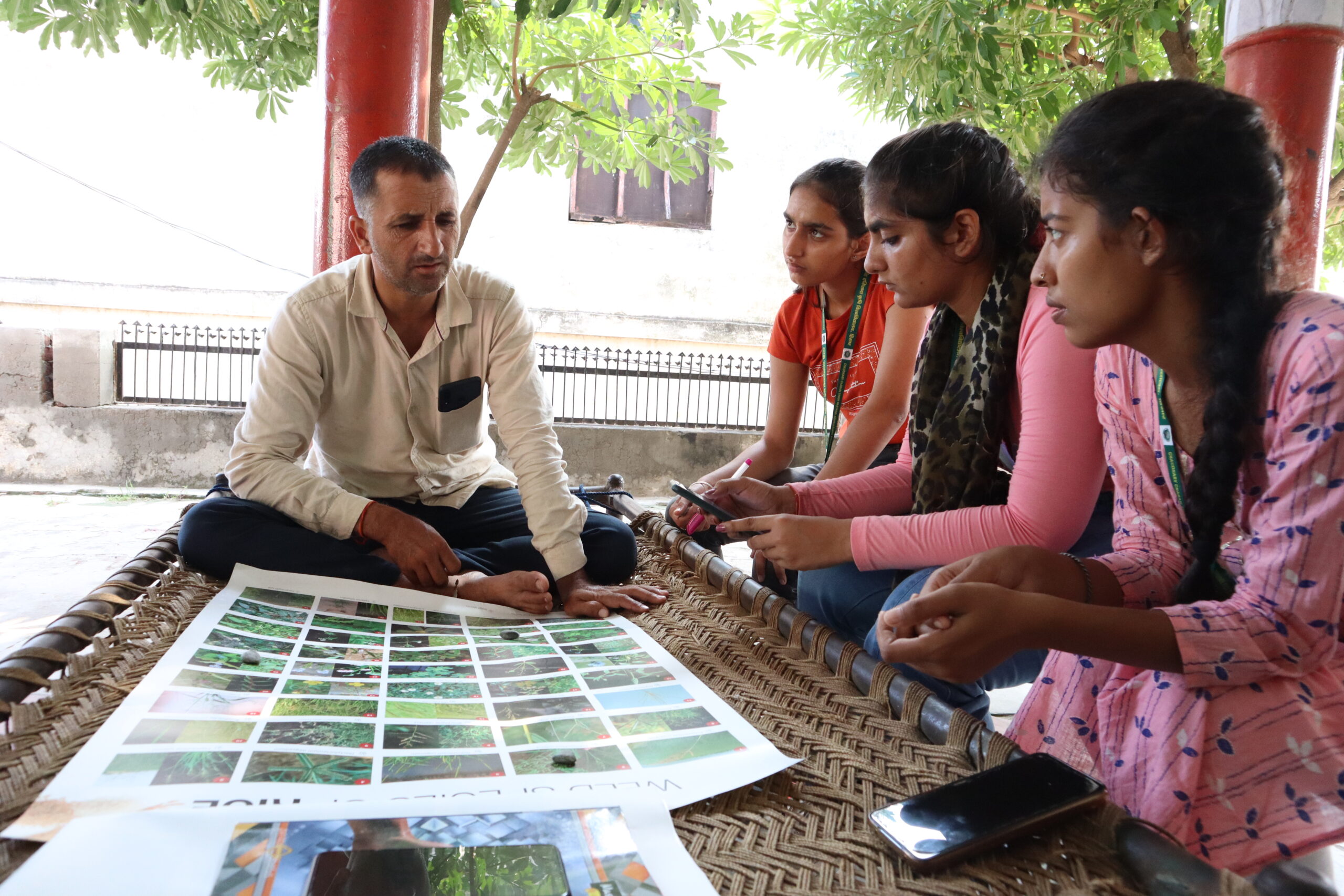
This integrated LCAS–RAWE vision was first piloted in Haryana through a collaboration led by CSISA, CCS Haryana Agricultural University, ICAR, ATARI, and district KVKs. Faculty members were trained as master trainers; KVK scientists provided local guidance, context, and quality checks; and students were equipped with ODK and survey implementation skills.
The results exceeded all expectations. In just four weeks, 210 RAWE students surveyed 2,100 households across 210 villages, generating high-quality, georeferenced data at unprecedented speed. Within two months, findings were compiled into a publication titled “Cropping Systems of Haryana: Challenges and Opportunities” and presented to state policymakers.
The transformation could be assessed from personal reflections of these students. As one female student from the 2022 batch shared: “The ODK program helped us to know about practical field problems which were a bit different from that given in our textbooks… farmers are using the chemicals more than the recommended dosage… The best thing about the ODK was its GPS feature which will help scientists to analyse the true situation of the area/state.”
The blueprint: From successful pilot to national strategic asset
The success of the Haryana pilot set the foundation for a national blueprint that can position India as a global leader in agricultural intelligence. Its core elements include:
1. Integrating LCAS into RAWE curriculum: A standardized, credit-bearing module can be embedded in agricultural universities nationwide, strengthening student capacity in digital data collection, analytics, and real-time problem-solving.
2. Institutional coordination: A formal partnership between ICAR’s Education and Extension divisions will ensure aligned responsibilities:
- Universities mobilize and train students
- KVKs guide and monitor district-level data collection
- ATARIs serve as state-level data hubs
- IASRI anchors the national data platform, ensuring standardization and analytics
This structure enables panel datasets to track the same farmers annually and supporting them through forecast models, trend analysis, and research planning.
3. From data to decisions: A national digital platform hosted by IASRI will integrate LCAS data from all states, generating interactive dashboards, predictive tools, and actionable insights. When linked with climate, water, and market data, this system becomes a powerful engine for evidence-based policymaking and research.
A global model in the making
This blueprint is more than a monitoring tool. It is a generational investment which can strengthen India’s data ecosystem while empowering young agricultural professionals to lead an AI-driven transformation. By turning student fieldwork into high-quality intelligence and linking it with India’s unmatched extension system, the country can create one of the world’s most advanced, responsive, and farmer-centred agricultural information systems.
From classroom to cropland, this dual-engine approach promises to reshape how India understands, supports, and sustains its farming communities, laying the foundation for a more resilient and prosperous food future.
1 International Rice Research Institute (IRRI)
2 Indian Council of Agricultural Research (ICAR)
3 International Maize and Wheat Improvement Center (CIMMYT)
4 College of Agriculture and Life Sciences, Cornell University